
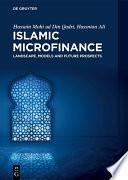
Islamic Microfinance
Landscape, Models and Future Prospects
Islamic microfinance is one of the most important sectors of Islamic social finance, which plays a very important role in curbing poverty and improving the standard of living, per capita income, employment level as well as achieving Maqasid al-Shariah, profitability and sustainability. This role of Islamic microfinance has become more crucial in the pandemic period. It has been clearly witnessed in developing countries such as Pakistan and Bangladesh, how Islamic microfinance institutions helped deprived and affected communities during the pandemic. Another important development during the pandemic was the introduction of blended models of Islamic microfinance such as waqf-based Islamic microfinance, a zakat-based model and the combination of Islamic commercial and social finance. Islamic microfinance institutions also aim to harness the power of digitalization and fintech, but they need to consider the necessary success factors to realize and gain the real benefits of technology. There are some major challenges related to regulations, management issues, lack of skilled human resources, a wide digital divide and low level of financial literacy in developing countries. These challenges need to be addressed to ensure stability, steady growth and sustainability in the sector. This book is a compendium on Islamic microfinance, including case studies from seven jurisdictions and prospects for the sector. The book will be a major contribution to the literature of Islamic economics and finance and a guide of equal importance for students, academics, institutions, regulators, fintechs, policy makers and the general public.
- ISBN 13 : 3111414523
- ISBN 10 : 9783111414522
- Judul : Islamic Microfinance
- Sub Judul : Landscape, Models and Future Prospects
- Pengarang : Hussain Mohi ud Din Qadri, Hassnian Ali,
- Kategori : Business & Economics
- Penerbit : Walter de Gruyter GmbH & Co KG
- Bahasa : en
- Tahun : 2024
- Halaman : 174
- Google Book : https://play.google.com/store/books/details?id=Q2IDEQAAQBAJ&source=gbs_api
-
Ketersediaan :
These challenges need to be addressed to ensure stability, steady growth and sustainability in the sector. This book is a compendium on Islamic microfinance, including case studies from seven jurisdictions and prospects for the sector.
